
Allow me to introduce myself. I am Bleu, guardian of...
Read MoreThe Stories Your Posture Is Telling
August 11, 2026
Owl Feather Farm, San Juan Island
Your body remembers what your mind sometimes forgets. Rounded shoulders, a shallow breath, a hip that won’t quite release—these aren’t just physical quirks. They’re often the quiet residue of stories you’ve been carrying for years, even decades, without realizing it.
Posture as memory
We tend to think of posture as a mechanical issue: sit up straighter, engage your core, stop slouching. But posture is rarely just mechanical. The way you hold your shoulders when you walk into a room, the way your chest caves inward during a hard conversation, the way your jaw tightens before you’ve even noticed you’re stressed—these patterns build over time, often shaped by moments you’ve long since stopped consciously thinking about.
Your body holds stories within the bones themselves, consciously and unconsciously. A tense lower back might be holding old fear. A collapsed chest might be protecting a heart that once felt exposed. None of this means something is “wrong” with you. It means your body has been doing exactly what it’s built to do: adapting, protecting, and remembering.
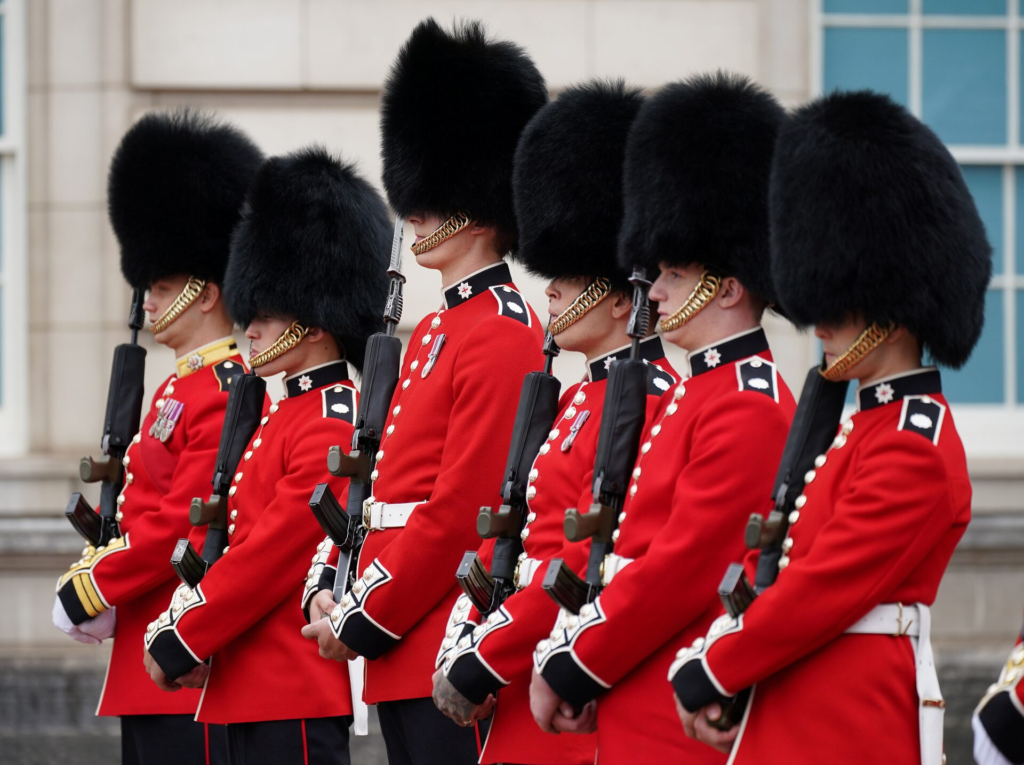
A few common patterns and what they may reflect
While every body is different, certain posture patterns tend to show up again and again in session work, and they often carry a familiar emotional undertone:
• Rounded, forward-curled shoulders can reflect a long habit of making oneself smaller, whether from shyness, past criticism, or simply years of hunching over a desk or a phone.
• A locked, overly upright chest can sometimes mask vulnerability, presenting strength on the outside while guarding something softer underneath.
• Chronic tightness in the hips is often a place where unprocessed stress or old fear tends to settle, especially for people who’ve spent years staying “on guard.”
• A clenched jaw or tight neck frequently shows up in people who habitually hold back words they wish they could say.
These aren’t diagnoses; they’re simply patterns worth noticing with curiosity rather than judgment.
What Pilates reveals
This is part of what makes Pilates such a meaningful practice, beyond building strength or flexibility. When you slow down and move mindfully, you start to notice things: which side feels stronger, which movement makes you want to brace, which stretch brings up more emotion than you expect.
My Pilates sessions are tailored to your individual wellbeing, not just your fitness goals. That individualized attention creates space to notice these patterns as they surface, rather than pushing through them. Strength and flexibility are the visible outcomes, but underneath that is something quieter: a chance to meet your body as it actually is, not as you think it should be.
It’s also worth noting that this kind of noticing takes time. You likely won’t walk into a single session and immediately understand every pattern your body is holding. More often, it’s a slow unfolding: one session reveals a tight shoulder, another reveals why you tend to hold your breath during certain movements, and gradually a clearer picture starts to form.

When the body asks for more than movement
Sometimes, what surfaces through movement needs more than movement to resolve. A physical pattern that keeps returning, no matter how much you stretch or strengthen it, may be pointing to something energetic or emotional underneath. This is where energy healing complements the work: not replacing the physical practice, but supporting the layers beneath it.
Energy healing sessions create space to listen to what the body has been holding, gently working through blockages and stuck patterns so that the story your posture has been telling can finally soften, shift, or be released.
Think of it like this: Pilates helps you notice what’s there and begin to work with it directly through the body. Energy healing goes a layer deeper, addressing the emotional or energetic root that may be feeding the physical pattern in the first place. Together, they offer a more complete way of listening, rather than treating the body and the deeper self as separate concerns.
Why this matters beyond “good posture”
It’s easy to reduce posture work to aesthetics: standing taller, looking more confident, avoiding back pain later in life. Those outcomes matter, but they’re not the whole picture. When you begin to understand posture as a form of communication rather than just alignment, the goal shifts. It’s no longer about forcing your body into a “correct” shape. It’s about creating enough safety and awareness that your body feels able to soften out of old protective patterns on its own.
That shift, subtle as it sounds, tends to ripple outward. People often report feeling not just physically different after this kind of work, but emotionally lighter, more grounded, and more at ease in their own skin.
A gentle invitation
You don’t need to interpret every ache as a hidden trauma or overanalyze every tight muscle. But the next time you catch yourself slouching, bracing, or holding your breath without meaning to, it might be worth pausing and asking: What is this posture protecting? What story might my body be telling right now?
Whether the answer comes through Pilates, energy healing, or simply noticing with more curiosity, your body is always willing to tell you what it needs. All it asks is that you listen.
-Nicollé Lucas
Nicollé offers private sessions at Owl Feather Healing on San Juan Island; for more information contact her at .
more articles
The Star Inside the Apple: Balance for Body, Spirit & Bond
A new moon in Libra arrived yesterday morning, and the...
Read MoreWhat the Pasture Knows Before the Moon Is Full
The grass is different at night now. Cooler. Heavier with...
Read More